#identity verification
#identity verification
[ follow ]
#identity-verification #fraud-prevention #cybersecurity #ai #privacy #real-id #digital-id #airport-security
fromLGBTQ Nation
1 week agoAn app banned an LGBTQ+ activist as a "terrorist." They ignored it for years, until he fought back. - LGBTQ Nation
Mohamed sued Alphabet, noting that the list didn't even contain his name. Rather, his name was merely similar to "one or more Muslim or Middle Eastern names on the list," his lawsuit stated. He also said he only sued because he couldn't get a human at Waymo to actually address his issue. However, he dropped his lawsuit after Waymo instituted a process for users to request Waymo workers to conduct an audit of their ban.
Privacy technologies
Intellectual property law
fromIPWatchdog.com | Patents & Intellectual Property Law
2 weeks agoUSPTO Targets Removal of 10,500 Trademarks for Fraudulent Submissions, Scam Billing Practices
USPTO issued administrative orders targeting about 10,500 fraudulent or invalid trademark applications and registrations, citing forged signatures and fabricated fee or requirement claims.







Privacy professionals
fromSilicon Canals
1 month agoA money-transfer app stored customer passports on an unencrypted, publicly accessible server for nearly five years - Silicon Canals
Fintech companies face regulatory pressure to collect identity documents but lack enforceable obligations to protect them, leading to data breaches.

#linkedin-verification


Privacy professionals
fromwww.socialmediatoday.com
2 months agoConcerns with third party partner could derail LinkedIn's verification push
LinkedIn implements expanded verification requirements for company, workplace, and executive-level roles to combat scams and misrepresentation, though concerns about verification partner Persona may hinder progress.
Privacy technologies
fromPinkNews | Latest lesbian, gay, bi and trans news | LGBTQ+ news
3 months agoDiscord delays age verification policy, says it made 'mistakes'
Discord delayed its mandatory age verification update to mid-2026 after user backlash over privacy concerns and a previous security breach exposing government IDs and face scans.
Information security
fromSocial Media Today
3 months agoLinkedIn Outlines Measures to Combat Scam Job Listings
LinkedIn enhanced scam detection, added identity and company verification, demoted suspicious inbox contacts, removed fake profiles/pages, and introduced AI resume tools to reduce third-party reliance.
fromSecuritymagazine
4 months agoWhat Background Checks Miss: The Human Layer Behind Modern Screening
Over the past few years, while applying for security and risk-related roles, I noticed a pattern that surprised me: many background screening vendors only asked for a few years of employment history, minimal address information, minimal educational verification, and returned results within one or two days. In contrast, I also noticed that industries with higher regulatory standards, such as finance and transportation, conduct far deeper checks that can span from weeks to months.
Information security
fromsfist.com
4 months agoCalifornia DMV Screwed Up the Real IDs, Hundreds of Thousands Need to Be Replaced
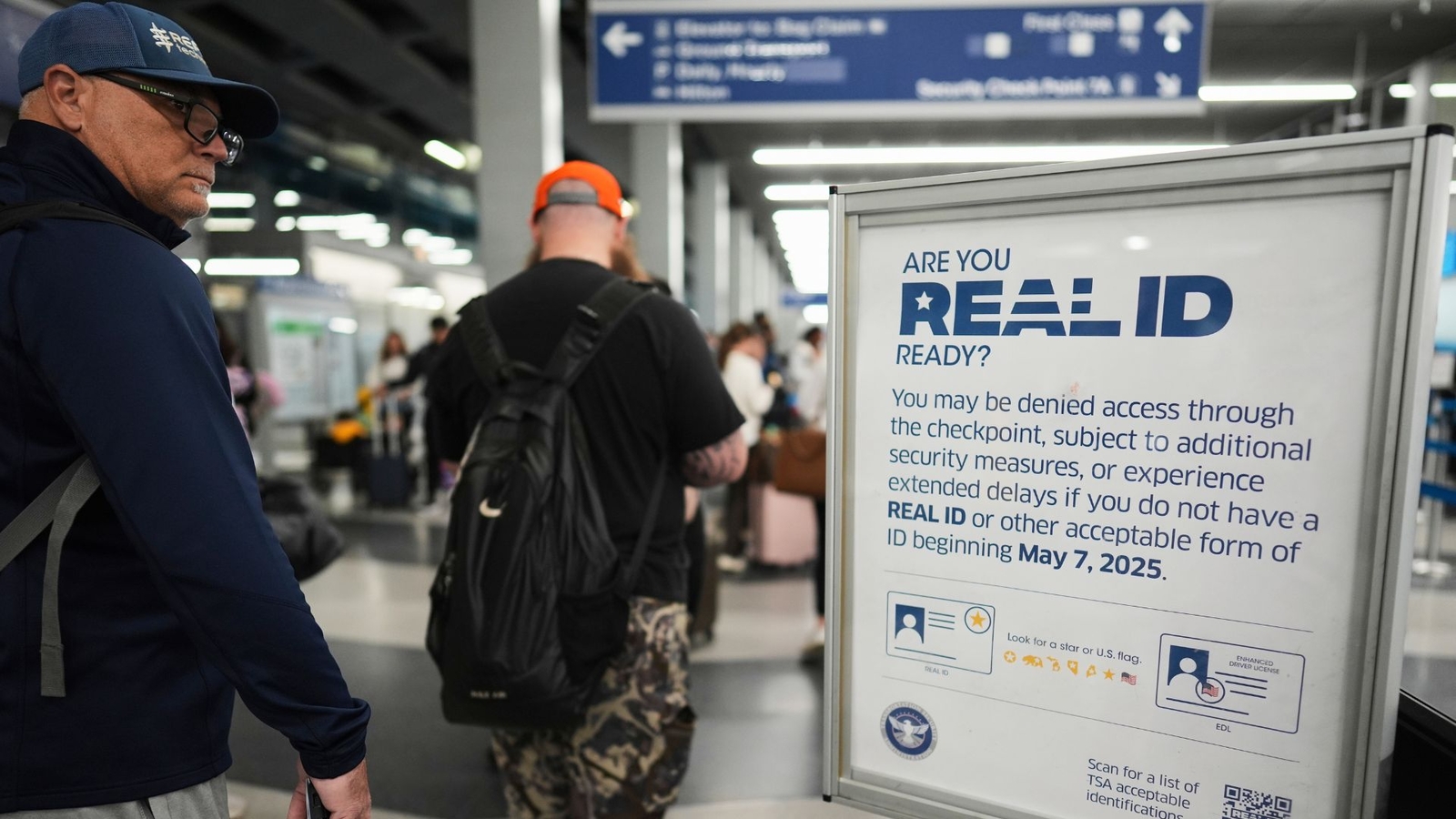
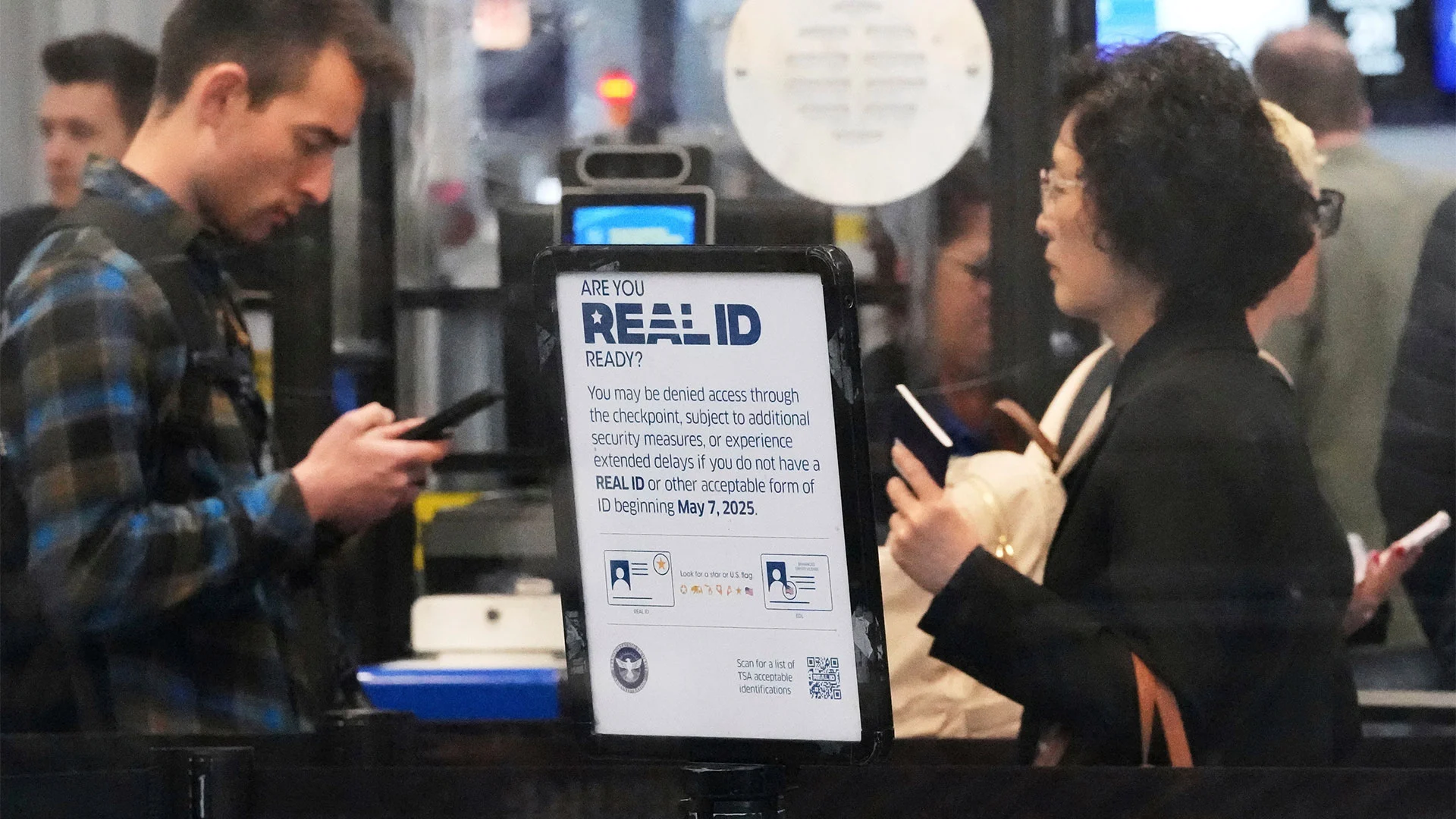
Remember the springtime of 2025, when the federal government and the state of California forced everyone to get a new driver's license called Real ID because the previous version of your driver's license was not considered secure enough? State and federal officials assured us that the new Real ID was going to stamp out identity fraud and improve verification, because these new Real IDs were so much more reliable from an information security standpoint.
California
fromModern Farmer
4 months agoThorough Scrutiny of Ripper Casino - Operational Processes - Modern Farmer
Advanced search functionalities allow quick location of specific titles using keywords provider names or game mechanic characteristics while personalized recommendations based on gameplay history suggest alternatives likely to match individual preferences. The extensive multimedia collection includes a wide selection of classic and modern slot machines traditional table games and live dealer experiences broadcast in high definition providing immersive and authentic casino atmosphere.
Law
fromModern Farmer
4 months agoResearch-Backed Review of Ricky Casino - Platform Innovation - Modern Farmer
Integrated social features allow users to share their achievements interact with other players and participate in community challenges thus creating an enriching social dimension and fostering long-term engagement on the platform. Interface design automatically adapts to various screen sizes and device orientations delivering optimal visual experience across desktop tablet and mobile devices through native apps or web browsers. Technical infrastructure is built on distributed server networks ensuring fast loading times smooth navigation and responsive performance even during high-traffic periods maintaining consistent user experience quality.
Law





fromNextgov.com
5 months agoWarren, Sanders push Labor on plans to create a centralized unemployment 'starting point'
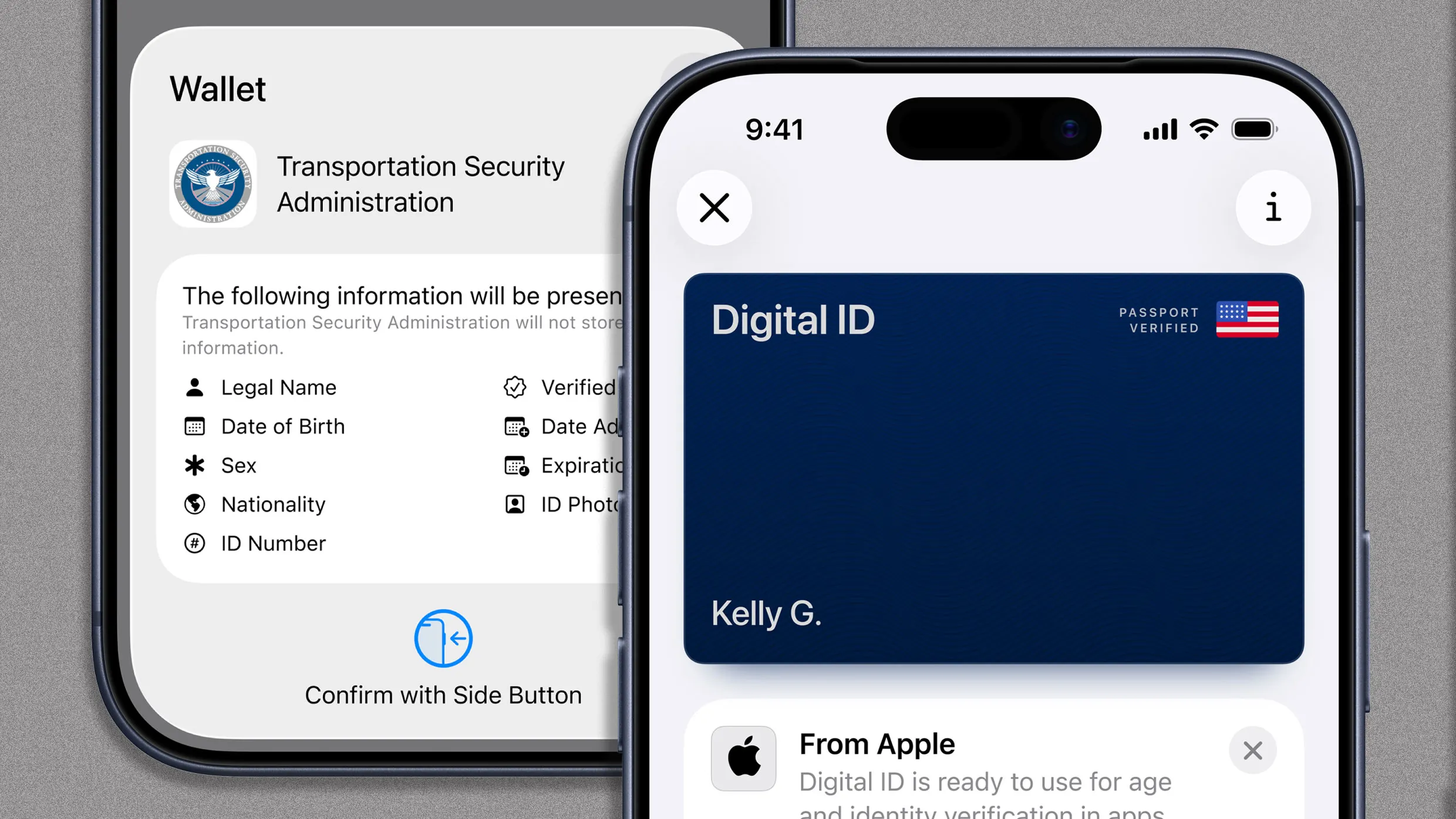
This pilot is expected to serve as a starting point for initial UI claims that would provide both ID verification and work authorization services. Once those front-end services are complete, individuals will be directed to states to file their initial claims," they said, noting that "DOL is not piloting initial claims intake or taking that function over on behalf of states.
US politics
fromZDNET
5 months agoHow to prove you're not a deepfake on Zoom: LinkedIn's 'verified' badge to all platforms - for free
As AI continues lowering the barrier to malicious identity spoofing and fraud, Oscar Rodriguez, LinkedIn's vice president of product for Trust,told ZDNET that the program is designed to drive more trustworthy internet experiences and user-to-user engagement. "It is becoming increasingly difficult to tell the difference between what is real and what's fake," Rodriguez noted. "That, for us, was the driver because LinkedIn is about trust and authentic connections."
Privacy technologies
New York City
fromBusiness Insider
5 months agoLuigi Mangioni claimed he was a homeless man named 'Mark' in surreal, newly revealed bodycam footage of his arrest
Bodycam footage captures a nervous Luigi Mangione frisked at a McDonald's during an identity check five days after UnitedHealthcare CEO Brian Thompson's murder.
fromZDNET
6 months agoGoogle Play users are starting to see age verification checks - here's how it works
Several months after AI-powered age verification rolled out to YouTube, age checks are hitting another Google service. Over the past several days, users have spotted a new age verification system appearing on the Google Play Store. When attempting to download certain apps, users are greeted with a verification pop-up asking to confirm their age. According to reports from people who have already seen this pop-up, you aren't able to download many apps until this is done.
Privacy technologies
fromTravel + Leisure
7 months agoClear Just Launched New eGates at Airports-and It Could Make Airport Security Much Faster
"The U.S. should be leading on security, hospitality, and the travel experience," Clear's CEO Caryn Seidman Becker said in a statement. "This partnership with TSA is a powerful example of how public and private sectors can work together to enhance security and improve the aviation ecosystem... CLEAR's secure identity platform will help unlock a better, safer, and more frictionless experience for all travelers."
US news
fromCreative Bloq
7 months agoOpenAI's Sora app lets you deepfake your friends
If you're an Instagram or TikTok user, chances are you're finding it increasingly hard to differentiate between genuine images and videos and AI-generated content in your feed. But OpenAI now has a solution: what if we make it all AI slop? The company behind Chat GPT is entering the social media space with Sora, an iOS app named after its generative AI video model.
Artificial intelligence
fromTechzine Global
8 months agoNametag partners with Okta to monitor agents
AI agents can be security issues waiting to happen. To ensure they comply with company policy, Nametag is enlisting the help of Okta. Okta research shows how widespread AI agents already are: 91 percent of organizations use them today. According to this research, only 10 percent of these companies have a mature security strategy in this area. That is a considerable risk.
Artificial intelligence
Business
fromFortune
8 months agoRobinhood says its latest product will fix social media trading | Fortune
Robinhood launches Robinhood Social for follow-and-manual-copy trading across stocks, crypto and options, requiring identity and portfolio verification to reduce fake social-media investment claims.
Real estate
fromwww.housingwire.com
8 months agoFirst American adds Intellicheck ID verification to fraud prevention tools
First American Title adds Intellicheck-powered identity verification to AgentNet, enhancing early identity checks and expanding existing fraud prevention tools to combat rising real estate fraud.
fromTheStreet Crypto: Bitcoin and cryptocurrency news, advice, analysis and more
8 months agoWeb3 Jobs and the End of Remote Paradise
Industry observers note three key factors driving this change. First, company maturity: Web3 startups that began 5-8 years ago are moving beyond their initial startup phase and discovering they need more structured knowledge transfer and team coordination. Second, trust and quality issues have emerged as anonymous developer problems created challenges around verifiable professional identity and quality assurance. Third, knowledge transfer needs have become critical as complex blockchain technology requires senior-to-junior mentoring and cross-functional collaboration.
Remote teams
fromBusiness Matters
9 months agoWhat Small Business Owners Need to Know About UK Digital ID Laws in 2025
Digital IDs are essentially reusable online credentials that can be used for everything from accessing government services and financial products to signing contracts and verifying employees.
Digital life


fromHackernoon
2 years agoMoca Foundation Announces Moca Chain For Self-Sovereign, Privacy-Preserving ID And user Verification | HackerNoon
Moca Chain will support the development of identity protocols for users, devices, and AI agents, enabling decentralized control of digital credentials without centralized platforms.
Marketing tech
[ Load more ]